In recent years, water conservation has emerged as a critical focus of sustainable resource management. As the global demand for water continues to rise, innovative techniques are being developed and implemented to use this vital resource more efficiently. From advanced technology to traditional practices given a modern twist, these approaches are revolutionizing how we conserve water and manage our ecosystems.
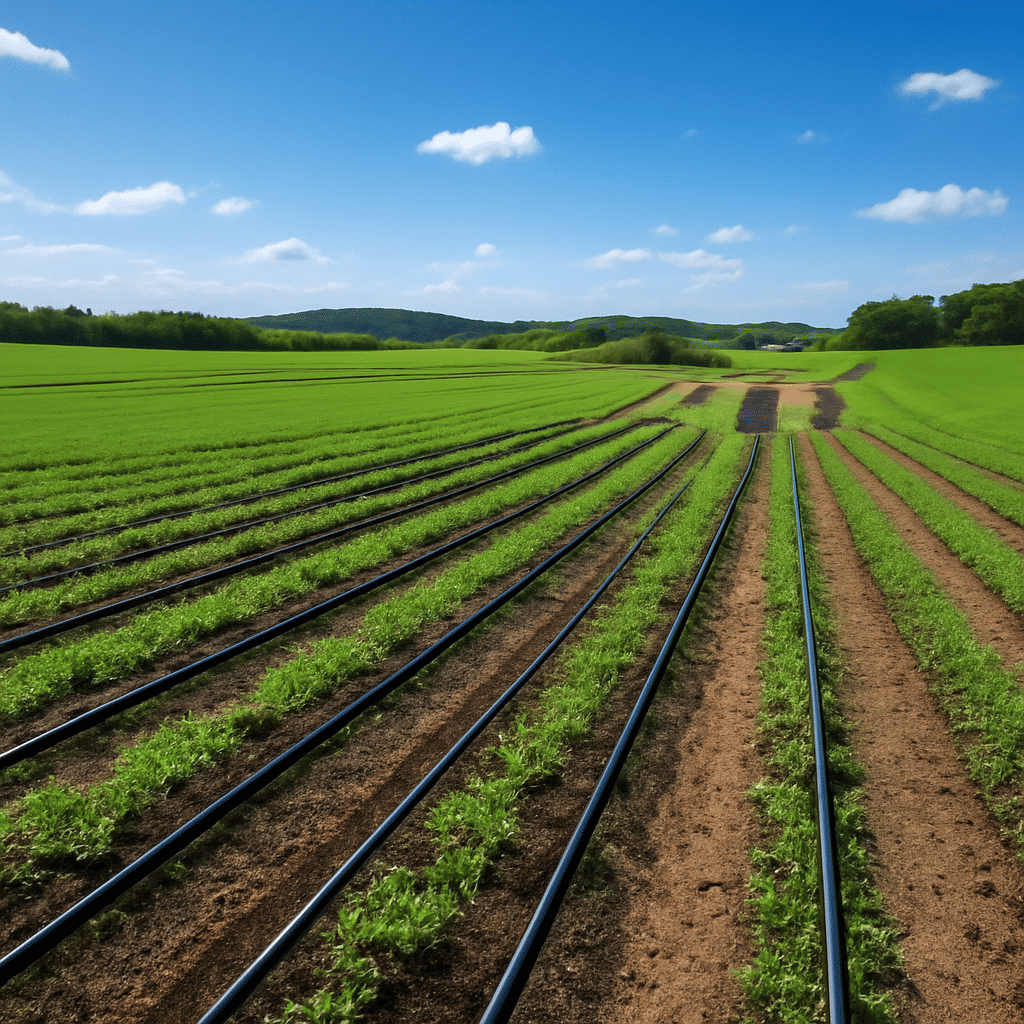
One of the most significant advancements in water conservation is the use of smart irrigation systems. These systems incorporate sensors and weather data to optimize water usage for agricultural and landscaping purposes. By adjusting watering schedules based on real-time information about soil moisture and weather conditions, smart irrigation systems reduce unnecessary water usage and minimize waste. Additionally, mobile applications connected to these systems allow users to monitor and control water usage remotely, offering a convenient and effective way to conserve water.
Meanwhile, rainwater harvesting has gained traction as a practical method for water conservation. This technique involves collecting and storing rainwater from rooftops or other surfaces for later use in irrigation or non-potable household needs. Rainwater harvesting not only reduces the strain on local water supplies but also mitigates the impact of severe droughts by providing an alternative water source. In many parts of the world, governments are incentivizing rainwater harvesting through subsidies and regulations that promote its adoption in residential and commercial properties.
Another innovative approach is the use of water-efficient fixtures and appliances. Modern plumbing technologies, such as low-flow toilets, faucets, and showerheads, substantially decrease water usage without sacrificing performance. These fixtures incorporate aerators and flow restrictors to maintain high pressure while using less water. Additionally, energy-efficient dishwashers and washing machines are designed to minimize water consumption, further contributing to household water conservation efforts.
Greywater recycling is an increasingly popular method that encourages the repurposing of water from sinks, baths, and laundry. By treating this relatively clean wastewater, it can be reused for irrigation or flushing toilets, significantly reducing potable water demand. Greywater systems are being integrated not only in residential areas but also in large-scale developments, such as green buildings and eco-friendly communities, to optimize water usage on a wider scale.
In industrial settings, water conservation has seen remarkable progress through process innovation and water recycling. Industries are adopting closed-loop systems that continuously recycle water within their processes, thereby minimizing waste. For instance, in the textile and food industries, water-intensive processes are being reengineered to reduce overall consumption and maximize recycling. Additionally, the treatment and reuse of wastewater in industrial operations not only conserve water but also reduce environmental pollution.
Desalination technology has also seen significant advancements and is becoming a viable option for regions plagued by water scarcity. Techniques such as reverse osmosis and distillation are being improved to increase efficiency and decrease energy consumption. While traditionally expensive and energy-intensive, new developments are making desalination more accessible and sustainable, providing a crucial lifeline in arid and coastal regions.
Furthermore, the rise of bioretention systems, such as green roofs and rain gardens, demonstrates how integrating natural systems into urban environments can enhance water conservation. These systems help manage stormwater by absorbing and filtering rainwater, reducing runoff, and replenishing groundwater supplies. By mimicking natural hydrological processes, bioretention systems help maintain the water cycle in urban areas and contribute to the sustainability of local ecosystems.
Communities and policymakers are also recognizing the value of traditional water conservation practices that have been employed for centuries. Techniques such as terracing, contour plowing, and the construction of small check dams in agriculture can significantly reduce soil erosion and enhance water retention in the landscape. By revisiting these age-old methods and integrating them with modern technology, we can create sustainable solutions that are both innovative and respectful of historical wisdom.
In conclusion, the shift towards innovative water conservation techniques is transforming the landscape of sustainable resource management. By embracing smarter technologies, reengineering processes, and integrating nature-based solutions, we are paving the way for a future where water is used more efficiently and responsibly. These pioneering methods are essential steps in addressing the global water crisis and ensuring that future generations have access to clean and abundant water supplies.