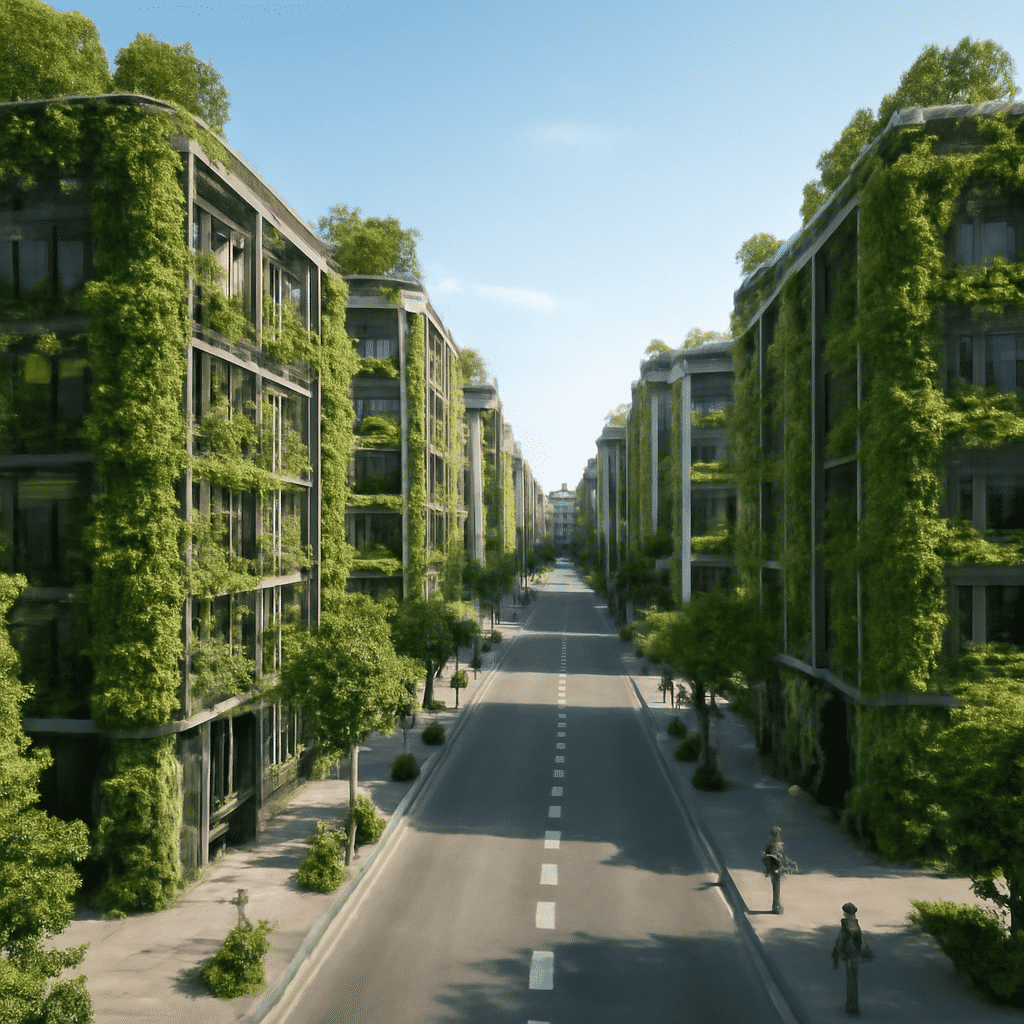
Urban environments around the globe are undergoing significant transformations, driven by the pressing need to address environmental challenges and enhance the quality of life for city dwellers. At the heart of this transformation is urban greening, a movement focused on integrating nature into cityscapes through initiatives that enhance biodiversity and promote environmental wellness.
Urban greening encompasses a wide range of strategies, from the creation of parks and green roofs to the development of vertical gardens and urban forests. These initiatives not only beautify cities but also provide critical ecosystem services, such as improving air quality, reducing urban heat, and fostering habitats for urban wildlife.
One of the primary benefits of urban greening is the enhancement of biodiversity within city limits. Cities have traditionally been seen as concrete jungles, but they can be transformed into vibrant ecosystems where both plants and animals thrive. Green spaces act as vital corridors for wildlife, allowing species to move, feed, and reproduce. This is particularly important in maintaining healthy bird, insect, and small mammal populations, which contribute to the ecological balance within urban areas.
Moreover, urban greening initiatives play a crucial role in mitigating the urban heat island effect, a phenomenon where city temperatures are significantly higher than surrounding rural areas due to human activities and built environments. Trees and plants provide shade and release moisture into the air through evapotranspiration, effectively cooling urban areas. This not only makes cities more comfortable for their inhabitants but also reduces the energy demand for air conditioning, contributing to lower greenhouse gas emissions.
In addition to environmental benefits, urban greening contributes to social well-being. Green spaces offer urban residents a respite from the hustle and bustle of city life, providing places for recreation, relaxation, and social gatherings. These areas have been shown to improve mental health, reduce stress, and encourage physical activity, all of which are essential components of a healthy lifestyle.
Moreover, urban greening initiatives can foster a sense of community pride and ownership. When residents are involved in the planning and maintenance of green spaces, they tend to develop a stronger connection to their environment and each other, enhancing community cohesion and resilience.
Many cities worldwide are leading the charge in implementing urban greening initiatives. For example, Singapore has successfully integrated nature throughout the city with its "City in a Garden" concept, featuring an extensive network of parks, streets lined with trees, and innovative projects like Gardens by the Bay. Similarly, New York City’s High Line has transformed an abandoned railway into a vibrant, elevated park that draws both locals and tourists.
The success of urban greening initiatives largely depends on forward-thinking planning and collaboration among city planners, local governments, and community members. By prioritizing green infrastructure in urban development, cities can ensure sustainable growth that harmonizes with nature.
In conclusion, urban greening initiatives are not merely an aesthetic choice; they are a crucial investment in the future of cities. By transforming urban environments into greener, more sustainable spaces, we can enhance biodiversity, improve environmental health, and promote the well-being of city dwellers. As more cities recognize the benefits of integrating nature into their infrastructure, the potential for a more sustainable and equitable urban future becomes increasingly attainable.