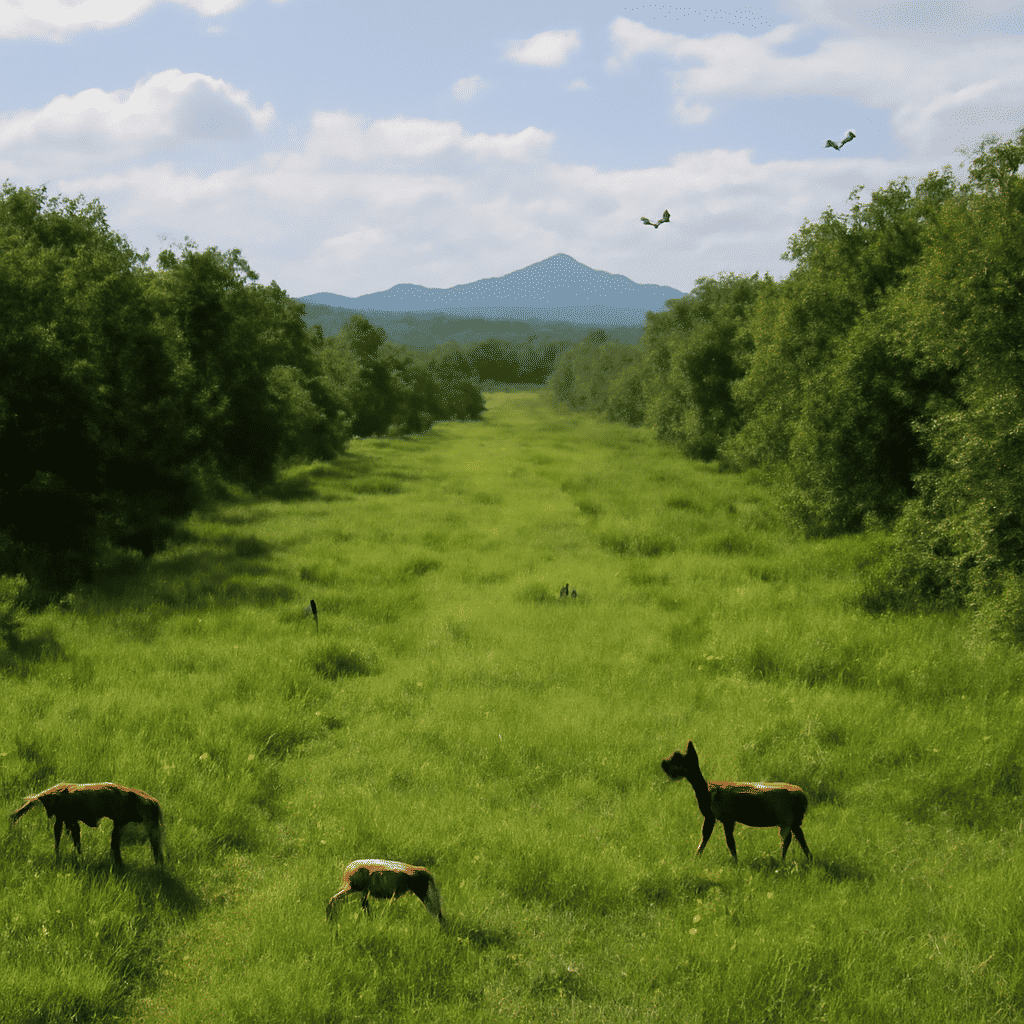
In the intricate tapestry of the natural world, wildlife corridors serve as vital threads interlacing fragmented habitats, ensuring a harmonious balance in ecosystems. With the continuous encroachment of human developmental activities into wilderness areas, these corridors have emerged as a beacon of hope for preserving biodiversity and enhancing the quality of life for various species.
Fundamentally, wildlife corridors are stretches of natural habitat that connect separate populations of wildlife. These can span from narrow strips of land to extensive tracts of natural landscapes, acting as bridges over physical and ecological barriers. They allow animals to traverse between distinct habitats, access essential resources, and maintain genetic diversity through interbreeding. This uninterrupted movement is critical for species' survival, particularly in the face of climate change which demands adaptive migration.
The obliteration of vast, contiguous habitats due to urban expansion, agriculture, roads, and industrial development has isolated wildlife populations, subjecting them to the perils of inbreeding, diminished resources, and altered environmental conditions. The corridors, therefore, not only enhance the survival odds of individual species but fortify entire ecological networks by facilitating necessary movements like feeding, breeding, and migration.
In certain innovative implementations, corridors have taken the form of ‘green bridges’ constructed over highways or underpasses beneath roads, providing safe passage for wildlife. These designs often integrate native flora to mimic the natural environment, encouraging animals to use them instinctively. Additionally, the rewilding of abandoned farmland and the strategic planting of trees along riverbanks serve as natural corridors, promoting ecological continuity across landscapes.
Moreover, establishing effective wildlife corridors involves collaboration with local communities, conservation organizations, government agencies, and scientists. It demands comprehensive planning and policy frameworks that consider the topography, animal behavior, and human land use. Public awareness and understanding of the intrinsic value of these ecological passageways are pivotal to their success.
On a broader scale, transnational cooperation is essential as many wildlife species naturally range beyond political borders. Initiatives, like those in the European Green Belt or across the expansive plains of Africa, exemplify how countries can work together to preserve these crucial pathways.
In conclusion, wildlife corridors are more than just passages for animals; they are lifelines for the planet's biodiversity. By stitching together fragmented ecosystems, they ensure that wildlife can roam unimpeded, enhancing ecosystem resilience and enriching our planet's natural heritage. Our commitment to nurturing these connections speaks to a broader understanding that the survival of myriad species is deeply intertwined with our own ecological footprint on Earth. As we look towards the future, prioritizing and expanding these corridors will be a testament to our resolve in coexisting with nature, honoring the intricate web of life that sustains us all.